
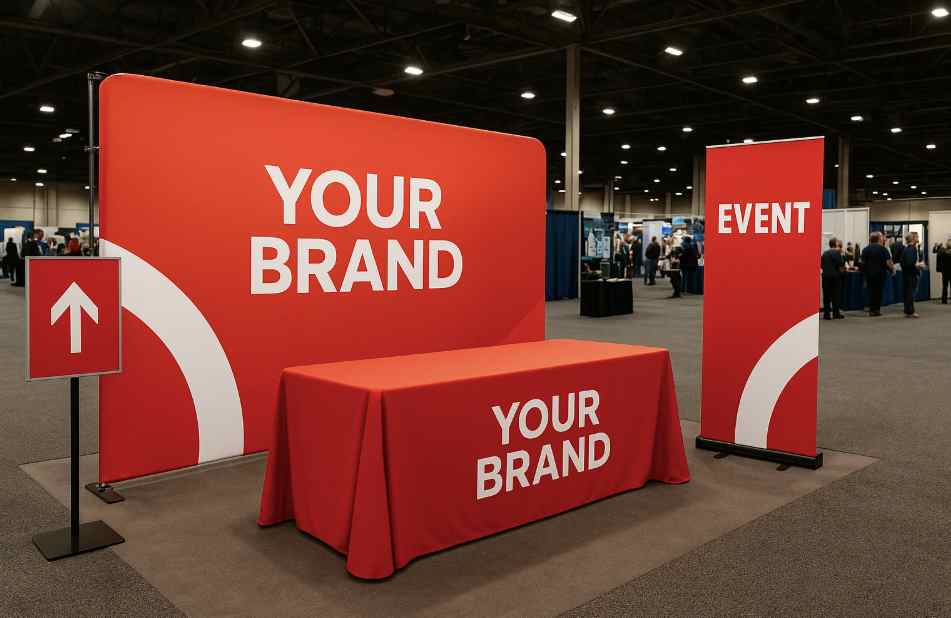
A Planning Guide to Large-Format Banners and Posters for Indoor and Outdoor Events
Large-format visual displays serve as powerful tools for commanding attention in high-traffic environments. Whether hung across a building facade, displayed on a trade show floor, or mounted inside an auditorium, large banners and posters deliver messages across long viewing distances. However, a large-format display requires careful planning—selecting improper materials, poor mounting hardware, or low-resolution graphics can result in torn vinyl, faded colors, or unreadable text.
Executing a successful large-format display project involves choosing appropriate substrates, securing reliable mounting hardware, and optimizing graphic files for large-scale printing. When evaluating large-format display materials and finishing options, reviewing field recommendations from print display specialists like AlphaGraphics Charleston explains how vinyl weights, mesh perforations, pole pockets, and grommet reinforcements maintain structural integrity under wind load and heavy use. By following structured design and material guidelines, you can produce large-format displays that make an impact.
1. Comparing Core Substrates for Banners and Posters
Selecting the right material substrate depends on whether your display will be used indoors or outdoors, as well as its exposure to wind and sunlight.
Heavy-Duty Vinyl (13 oz to 18 oz)
Standard outdoor vinyl is a durable, waterproof fabric that resists tearing and weather exposure.
- 13 oz Vinyl: The industry standard for general indoor and short-term outdoor banners.
- 18 oz Heavyweight Vinyl: Reinforced fabric designed for long-term outdoor installations and harsh weather conditions.
Perforated Mesh Vinyl
Mesh vinyl features tiny, evenly spaced holes across its surface that allow wind to pass through harmlessly. This design reduces wind resistance, making mesh the preferred material for high-wind environments like building scaffolding, chain-link fences, and open stadium structures.
Satin and Gloss Paper Posters
High-grade paper substrates deliver crisp image detail and vibrant color saturation. They are ideal for indoor framing, easel displays, trade show presentations, and retail window posters protected from moisture.
2. Mounting and Finishing Options for Secure Displays
A large-format banner requires reinforced edges and proper mounting hardware to handle tension without tearing.
Banner Finishing and Installation Flow:
[Hemming Edge Reinforcement] ➔ [Grommet / Pole Pocket Placement] ➔ [Tensioned Hardware Installation]
Essential Finishing Methods
- Welded or Folded Hems: Folding over the outer edges of a vinyl banner and heat-welding or stitching the seam creates a double-thick border that stops tear propagation.
- Metal Grommets: Brass or nickel eyelets installed along the hemmed border every 24 to 36 inches, providing secure attachment points for ropes, bungee cords, or zip ties.
- Pole Pockets: Looped pockets sewn or heat-welded along the top and bottom edges of a banner, allowing rigid support poles to slide through for smooth hanging without center sag.
- Wind Slits: Crescent-shaped cuts made in solid vinyl banners to relieve air pressure when installed in open areas without using mesh material.
3. Large-Format Graphic Layout Best Practices
Designing graphics for a 10-foot banner requires a different approach than designing small printed flyers. Viewing distance dictates font sizes and image resolutions.
Viewing Distance Rules
- 10-Foot Viewing Distance: Requires minimum headline text heights of 3 inches for clear legibility.
- 30-Foot Viewing Distance: Requires headline text heights of at least 9 to 12 inches.
- 100-Foot Viewing Distance: Demands large, bold typography with letter heights of 30 inches or more.
Image Resolution for Large Graphics
While small prints require 300 DPI image resolutions, large banners viewed from 10 or more feet away can be printed at 100 to 150 DPI at actual size without looking blurry to observers, helping keep digital file sizes manageable.
4. Care, Maintenance, and Storage Guidelines
Proper care and storage extend the operational lifespan of reusable vinyl banners and display posters across multiple events.
Storage Rules
- Roll, Never Fold: Always roll vinyl banners with the printed graphic side facing outward around a rigid cardboard core. Folding vinyl creates permanent creases and cracks in the ink surface.
- Store in Cool, Dry Spaces: Avoid storing banners in hot attics or damp basements where moisture can cause vinyl layers to stick together.
- Clean Softly: Wipe vinyl surfaces using a soft microfiber cloth and mild soapy water. Never use harsh chemical solvents or abrasive scrub pads.
5. Large-Format Substrate Feature Comparison
| Material Type | Environment | Wind Resistance | Image Detail | Recommended Mounting |
| 13 oz Gloss Vinyl | Indoor / Outdoor | Moderate | High | Grommets, Zip Ties, Ropes |
| Perforated Mesh | High-Wind Outdoor | Superior (Passes Air) | Moderate | Chain-Link Fencing, Scaffolding |
| Fabric Textile | Indoor / Trade Show | Low | Excellent | Retractable Banner Stands |
| Photo Paper Poster | Indoor Only | None (Moisture Sensitive) | Maximum | Frames, Easels, Wall Mounting |
Matching the right substrate, finishing options, and typography layout to your display environment ensures your large-format banners and posters remain secure and legible.
