
Transform Your Space: The Essential Guide to Indoor Signs
Walking into a business should be a smooth, intuitive experience. Customers should know where to go, what to do, and feel confident navigating your space. Yet many businesses overlook one of the simplest tools that can make this happen: indoor signs.
These aren’t just decorative elements or afterthoughts. They’re essential communication tools that guide, inform, and enhance the customer experience from the moment someone steps through your door.
Whether you run a retail store, office building, hospital, or restaurant, the right indoor signage creates a professional atmosphere while serving practical purposes. Let’s explore how these signs can transform your business environment.
Creating a Seamless Customer Journey
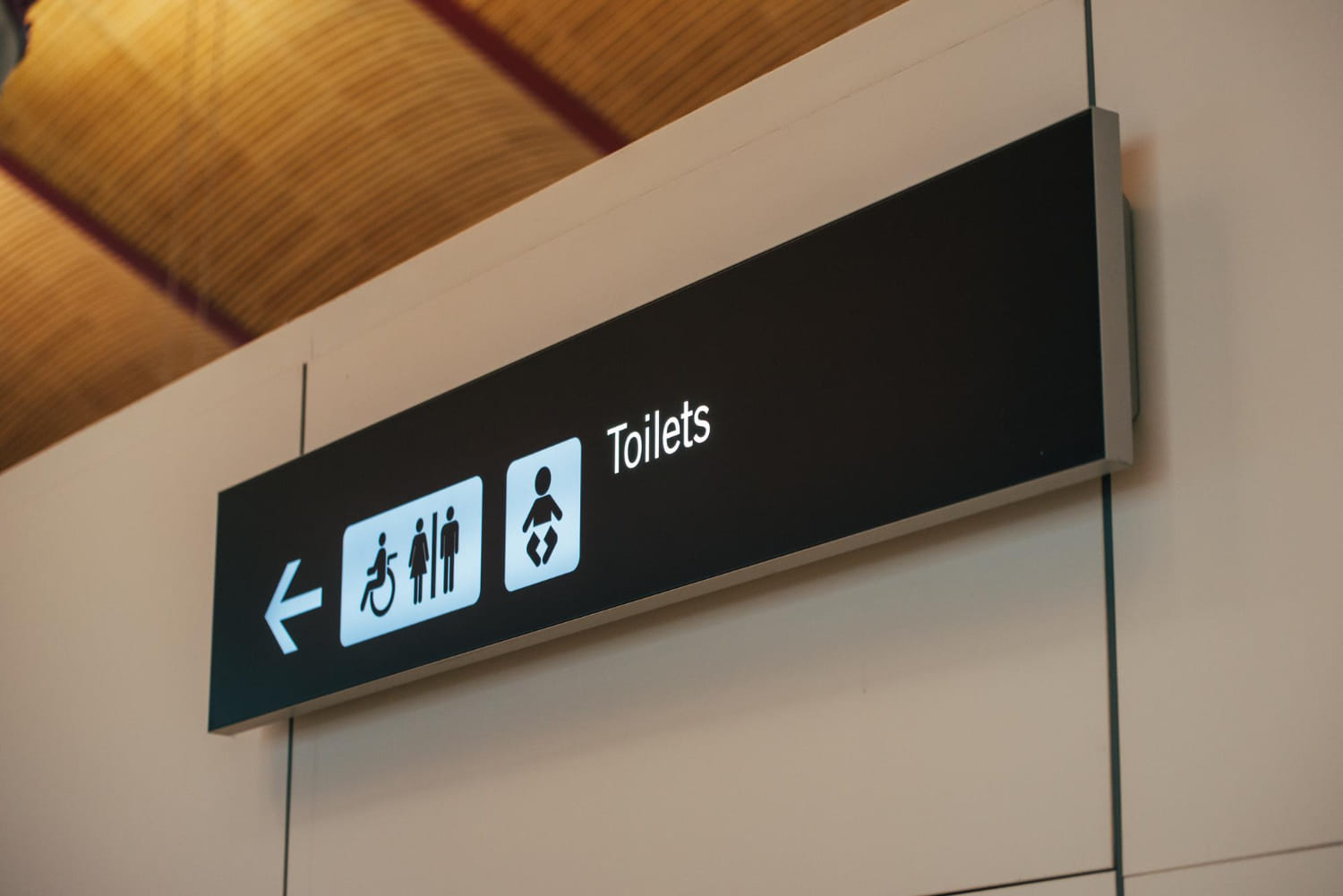
Nobody likes feeling lost or confused, especially in an unfamiliar space. Indoor signs eliminate that frustration by providing clear directions and information. Directional signs point customers toward restrooms, exits, elevators, and specific departments. Informational signs share business hours, policies, and important notices. Identification signs label rooms, offices, and different areas of your facility.
Think about a large medical center without proper signage. Patients would wander hallways, miss appointments, and feel stressed. Now imagine that same facility with clear, well-placed signs at every turn. The experience becomes effortless. That’s the power of good indoor signage.
Boosting Your Brand Identity
Indoor signs do more than give directions. They’re opportunities to reinforce your brand at every touchpoint. From the moment customers enter your space, signage communicates your brand’s personality, values, and professionalism. A sleek, modern sign design suggests innovation and attention to detail. Warm, rustic signage creates a welcoming, homey feel.
Consistency matters here. When your indoor signs match your overall brand aesthetic—using the same colors, fonts, and design elements—you create a cohesive experience that builds trust and recognition. Every sign becomes a subtle reminder of who you are and what you stand for.
Increasing Sales and Engagement
Smart businesses use indoor signs strategically to drive sales. Point-of-purchase signs near checkout counters encourage impulse buys. Promotional signs highlight special offers and new products.
Menu boards in restaurants showcase your best dishes. Digital displays can rotate through multiple messages, keeping content fresh and engaging.
The key is placement. Signs positioned at eye level in high-traffic areas get noticed. Those placed near decision points—like the end of an aisle or before a service counter—influence customer behavior when it matters most.
Meeting Legal Requirements
Some indoor signs aren’t optional. Building codes and regulations require certain signage for safety and accessibility. Exit signs, emergency evacuation routes, ADA-compliant restroom signs, and occupancy limits must meet specific standards. Fire safety signs, no smoking signs, and hazard warnings protect both your customers and your business from liability.
Staying compliant isn’t just about avoiding fines. It shows you care about creating a safe environment for everyone who enters your space.
Choosing the Right Materials
Indoor signs come in countless materials and styles. Acrylic offers a modern, polished look. Wood brings warmth and character. Metal provides durability and sophistication. Vinyl is affordable and versatile. The choice depends on your brand, budget, and where the signs will be placed.
Consider longevity too. High-traffic areas need durable materials that withstand constant exposure and cleaning.
Final Words
Quality indoor signs are investments that pay dividends through improved customer experience, stronger branding, and increased efficiency. They reduce confusion, save staff time answering basic questions, and create an environment where customers feel comfortable and confident.
When you prioritize thoughtful, well-designed signage, you’re not just decorating walls—you’re enhancing every aspect of your business operations.
